“Press ( ) to jump”: control mechanisms in computer and video games
24. April 2026 ·
von Miron Schmidt
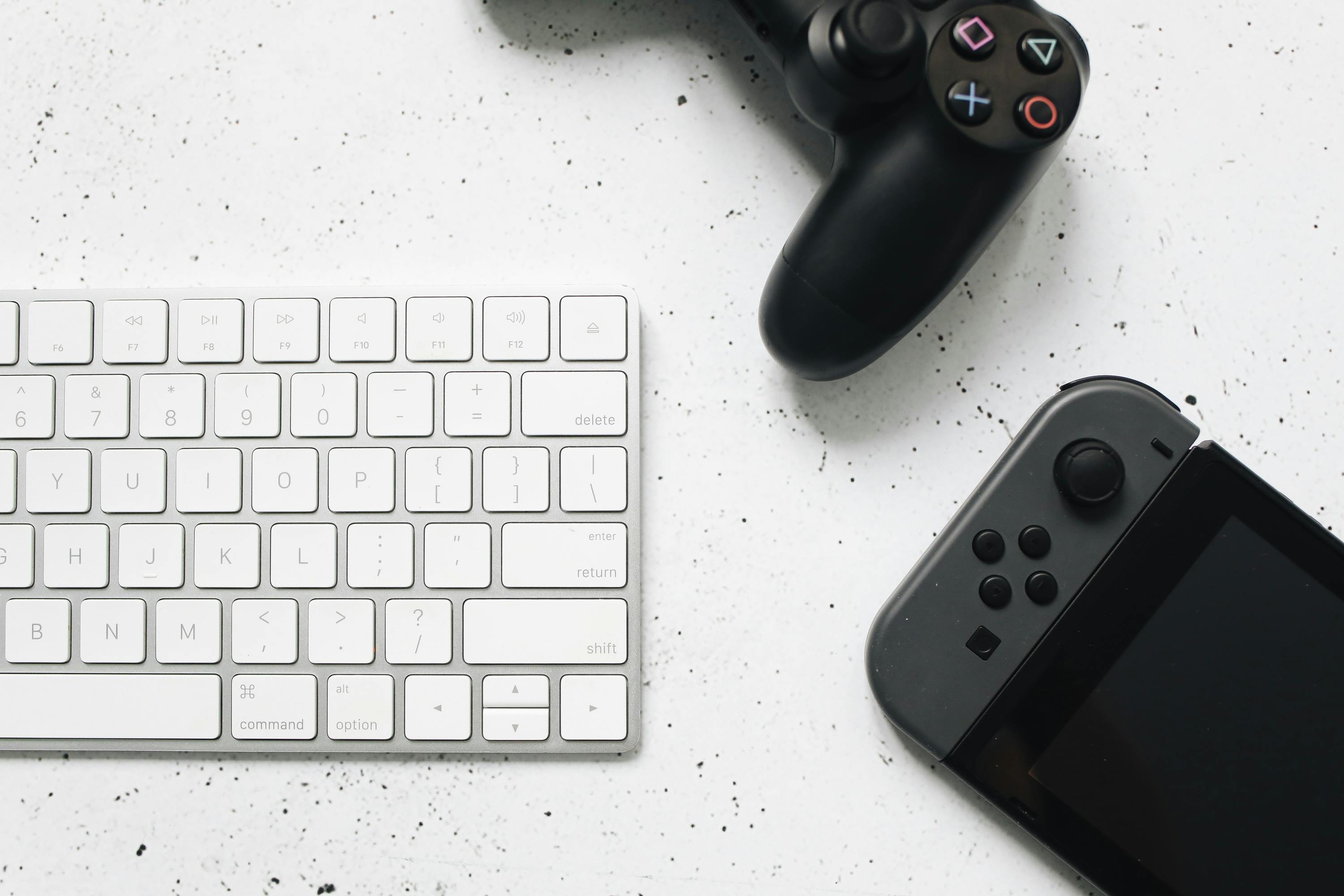
Control mechanisms play an important role in the design of video games. The player’s control over the gameplay has to be comfortable, precise and unambiguous while at the same time suitable for the gaming environment and the way it is presented. Nevertheless, there has been no attempt so far to thoroughly look into the different mechanisms, examine them side by side and map them to the game situations in which they make sense. This work attempts to systematically explore the physical means of control, the mechanisms that can be implemented through them, and the situations in which these mechanisms can be applied. Many control mechanisms have to be examined in a historical context, before they can weighed against alternative mechanisms. Similarly, simple mechanisms need to be described before extended variants can usefully be discussed that were created by lateral thinking.
However, this work is not mainly concerned with the physical aspects of control mechanisms but the more abstract concept of the ways in which specific elements of the game are controlled, and what limits that manner of control imposes. The main part therefore describes which control mechanisms can be found in different categories of games, while also outlining control mechanisms that defy simple categorisation, as well as unusual control scenarios of the gaming scene.
Weiterlesen